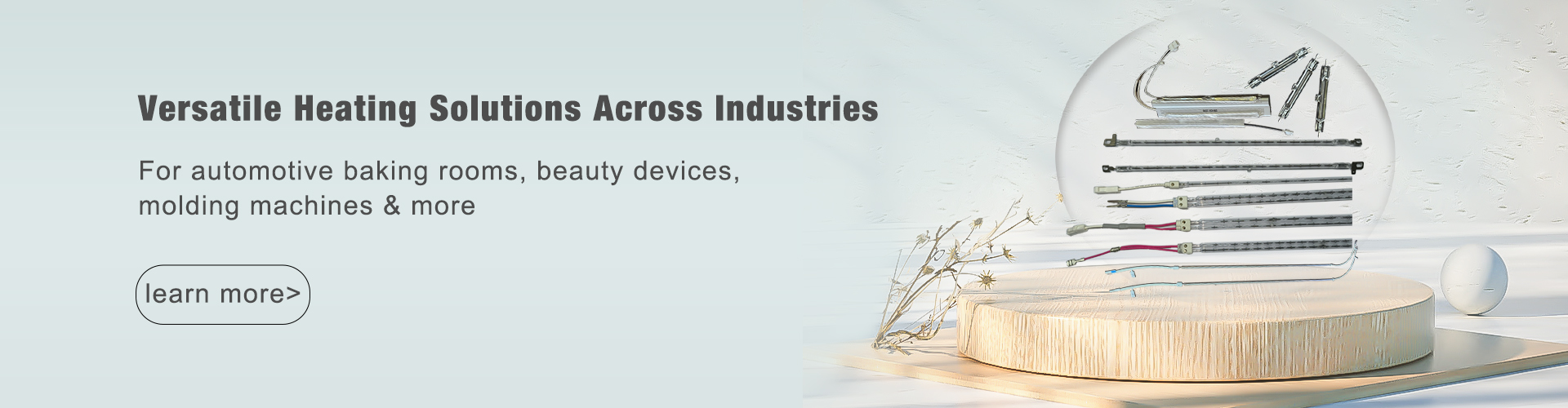
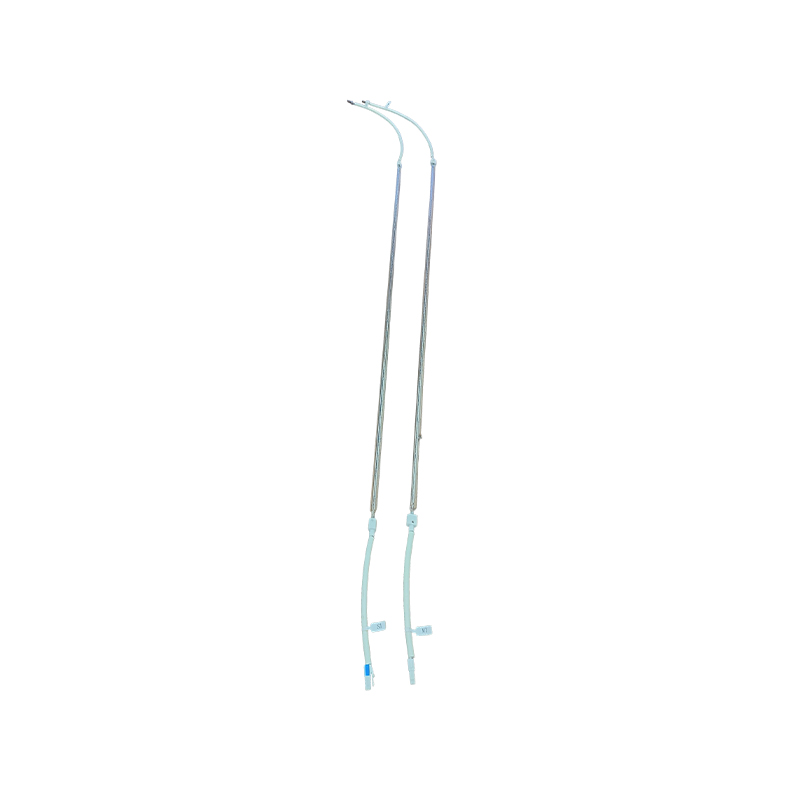
I. Core Technical Principles Infrared radiation heating mechanism Wavelength characteristics: Utilizing near-infrared or far-infrared radiation with wavelengths ranging from 900 to 1200nm, it penetrates the surface of objects and reaches deep layers, directly converting into thermal energy through molecular vibrations to achieve rapid heating. For instance, carbon fiber heating technology generates far-infrared radiation by electrifying carbon fiber filaments. Its heating rate is 30% faster than that of traditional metal heating tubes, and energy consumption is reduced by 20-30%. Halogen cycling technology: Some equipment uses halogen lamps (such as iodine tungsten lamps), which extend the filament life (up to 2000-4000 hours) by the high-temperature light emission of the tungsten filament and the reaction with halogen gas, while providing high-intensity thermal radiation. It is suitable for industrial scenarios that require continuous high temperatures. Composite heating technology Combining infrared rays with hot air circulation (such as in industrial ovens), uniform heating is achieved. Or adopt a dual-tube/multi-tube design (such as automotive paint lamps) to expand the illumination range and enhance thermal efficiency.
Ii. Key Technical Parameters and Performance Indicators Power and temperature range: The power ranges from 350W to 16kW, with a wide adjustable temperature range (for example, automotive paint lamps can reach 200-300℃, and industrial ovens can reach over 500℃). It supports rapid heating (for instance, carbon fiber heating lamps can reach the target temperature within seconds). Energy efficiency and lifespan: The carbon fiber heating technology has an energy efficiency of over 80 lumens per watt and a lifespan exceeding 5,000 hours. The color rendering index of halogen lamps is greater than 95, making them suitable for precise heating scenarios. Control and Safety: The intelligent controller supports multi-segment temperature curve setting, automatic mode switching, and integrates overcurrent, overvoltage, over-temperature protection and fault alarm functions.
Iii. Application Scenarios and Industry Cases Industrial field Automobile maintenance: Used for paint surface repair, baking after bodywork and painting, quickly drying paint and enhancing gloss (such as 2000W handheld infrared baking lamp). Metal processing: preheating of castings, softening of plates, preheating for welding, etc. For instance, infrared heating is adopted in metal heat treatment furnaces to enhance efficiency. Electronic manufacturing: Drying of printed circuit boards (PCBS), solder melting to ensure that precision components are undamaged. Food processing: Bread, roast duck, and meat baking, using infrared rays for uniform heating to retain nutrients and taste. Medical and laboratory: Postoperative wound care (such as arthritis treatment), laboratory sample drying, material testing, etc., must comply with medical-grade safety standards. Agriculture and animal husbandry: Insulation for livestock and poultry, drying of dry grass, cleaning of livestock pens, and improvement of animal husbandry efficiency.